In this post, I dive deeper into what women faced during this time in the theatre industry. Their experiences differ from person to person, however, remain similar at the same time. As a whole, theater is supposed to be a safe space for anyone to be included, regardless of gender, race, class, sexuality, or etc. However, this was disregarded throughout history with the emphasis on the placeholder of gender norms.
Jean E. Howard describes in an oral history interview, the exclusion of the roles women were allowed to audition for were prominent. “Women could not act on the public stage in England until the Restoration, and so female roles in Shakespeare’s plays were performed by young boys.” This further proves that no matter how much a woman fit perfectly into a role, they were never enough to be casted. The stereotypical roles held in society at the time set a forever lasting impact on women in theater. Even while being barred from acting in any productions, women continued to try to make their presence known. While men took over the certain roles women wanted initiative on, they still attended plays. They even made it known that they attended by, "...hawked wares, sold oranges, and sometimes disrupted performances with catcalls or laughter...". To ban individuals from something they love and enjoy because of their gender has a major negative effect on many, including future generations.
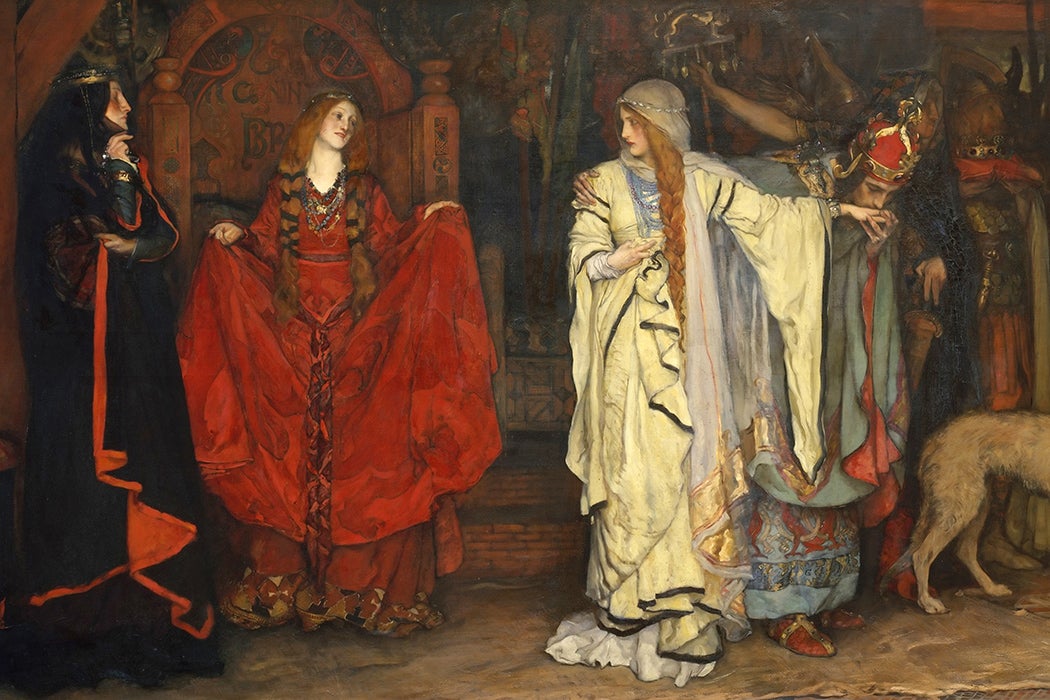
As time passed and women were allowed to perform, they still faced disadvantages compared to their male counterparts. They were paid less and had fewer opportunities for future roles in the theater industry. Their careers were short term because of these set standards. The European Journal of American Studies explains "Chorus girls in the early twentieth century... rarely lasted more than four or five seasons on the Broadway stage". Furthermore, the impact of societal norms onto women in theatre at this time made it so their careers were not long lived. Unrealistic beauty standards were placed upon them compared to the beauty standard placed onto males at the time. Another disadvantage of when women were allowed to perform publicly was the sexist and racist roles they were casted in. Although women have made many contributions to the theater industry for years, their early contributions were limited because of upper hand of their male counterparts or the ones in higher regard. Londre in Women’s Contribution to Nineteenth-Century American Theatre: Theatre History Studies writes, “women critique gender and racist ideology and the central role they play in Wilson's dramaturgical/historical project...The twelve essays collected here may represent a cross-section of theatrical activity by women in nineteenth-century America, with examples of the famous and the forgotten, the advantaged and the struggling, the writers and the troupers. The eclectic sampling doesn't tell the whole story, but it does add some new names to our awareness of women's contributions". Furthermore, this showcases that the reason for the roles chosen for women were the gender norms imposed by society. Throughout time, this has placed them in roles that discriminate them as human beings. Overall, gender norms placed onto women by society causes negative effects, especially in the theater industry.


Comments
Post a Comment