Differences between Early Theater History and Contemporary Theater
How gender norms have evolved into what they are today show how society and representation in theater transformed over time. Being able to show the differences between early theater history and contemporary theater will further prove the effect gender norms truly have on women in the theater industry.
In various productions, female/feminine characters had to have submissive and nurturing traits. They cared for others close around them more than theirselves (husband/children/etc). While on the other hand, male/masculine characters had to have dominant and bold traits. These roles kept in touch of the stereotypical gender norms at the time as well. However, contemporary theater holds contrary. Modern playwrights and their productions showcase female/feminine characters as complex who challenge traditional gender roles. They show the opposite of what they were once forced to be: strong, independent, and assertive. We also now see male/masculine characters showcasing the opposite of what they once also forced to be. They contain vulnerability, empathy, and overall an increase in emotional depth.
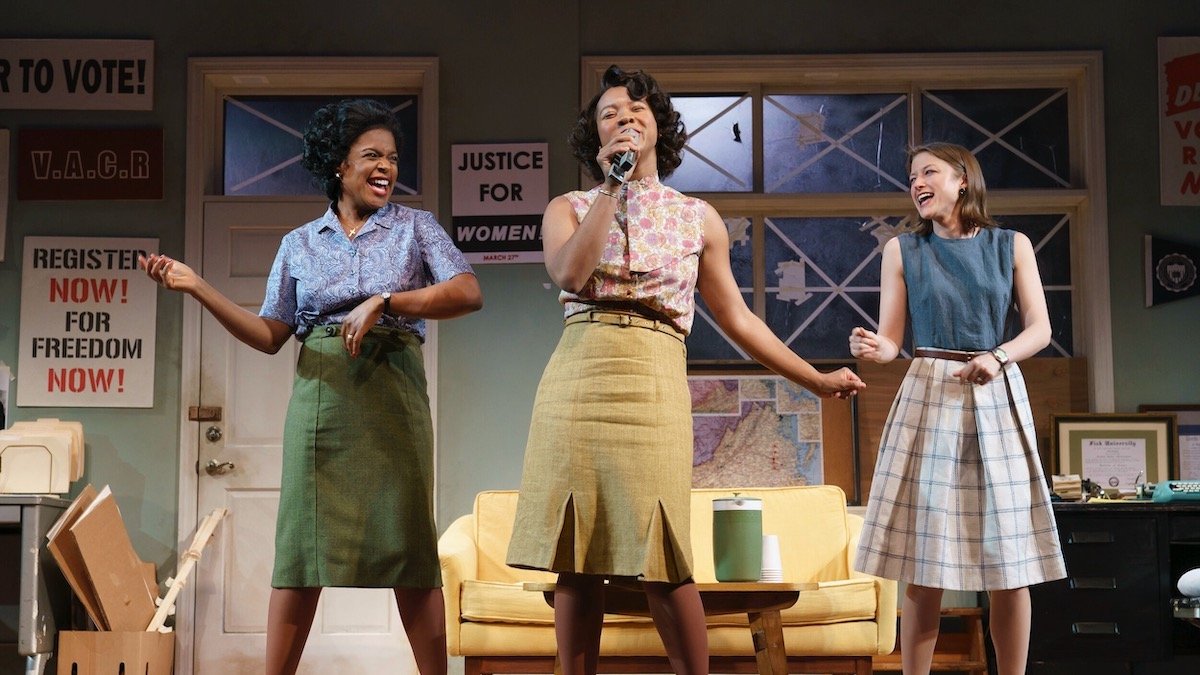

Often times, women had to play male roles because of the restrictions placed upon them which is well known as cross-dressing. Women would play young boys that were not as significant to the plot or production as other roles were. Even while a distinct role could have been perfectly suited for a women, it still was not enough. Merely being a women restricted you from what you love doing most, whether that be theater or any other practice. Transitioning into theater in today's world, directors now cast blindly and with neutrality. This broadens the theater realm for any person to join in, whether they are women or not. It also broadens the audience's perspective on individuals with various backgrounds as well. Although contemporary theater has shown change from the past, it still consists of its challenges. Type casting is common for directors to do because they feel as though that person's race, background, or look fit that specific role, not just in their acting capabilities. Overall, uplifting the once unheard voices in theater can decrease this happening in the future. Furthermore, it leads to more equal opportunities and defies the once systemic patriarchal norms forcibly placed.


Comments
Post a Comment