Various women from different backgrounds challenged societal stereotypes which reshaped the theater industry as we know today. There are still few aspects that might need to be improved, nonetheless, their contributions have made a lasting impact. These powerful figures have been received differently, some with resistance but some with acceptance.
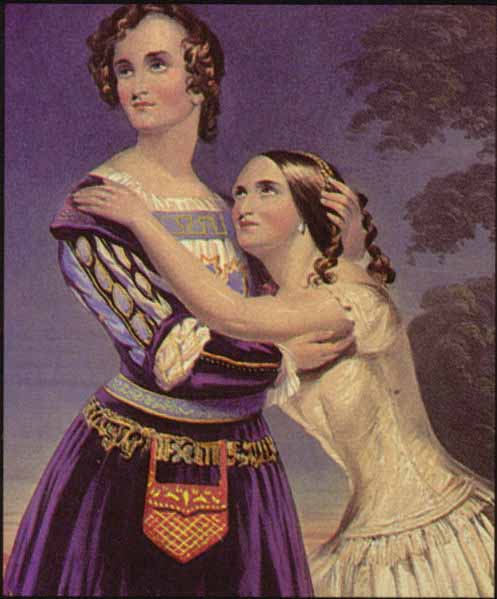
Charlotte Cushman (1816-1876) was an American actress, known for her roles made for women and men. She is most known for performing as Romeo and later Hamlet, which were made for men. She portrayed these characters phenomenally with depth. Both characters are complex in their respective ways in which she captured. This defied the gender norms of the time by showing that women are more than capable of performing any role they are suited for, whether the gender is different from their own. Despite her performances, Cushman was still overlooked because of her being a woman. Gender norms have such an immense impact on women in theater which further affects future audiences of women as well.

Eulalie Spence (1894-1981) was an African American woman playwright, a theatre artist who writes the scripts for plays to be performed on stage, and performer during the Harlem Renaissance. Her work and productions showcased strong and complex African American women which reinforced ever changing racial and gender stereotypes. Although her work was recognized to many throughout her career, she received backlash as well. People became highly critical of her work which led to high tensions in the African American theater community. Generally, Spence and her work has contributed to the theater industry tremendously by challenging racial and gender norms.
Vesta Tilley (1864-1952) was a well known British music hall performer, notably for her male impersonation acts. Tilley mostly performed in drag which portrayed male characters with charismatic traits. This defied societal gender expectations of the time because of her performing in male attributes while she identifies as a woman. The traits she also portrayed while in drag showed a true difference between the traits men are expected to have compared to the traits women are expected to have. When performing, Tilley gained immense traction which drew an increase of an audience. Her performances showed how gender expression can change at any time on what that person decides on.

.jpg)


Comments
Post a Comment